
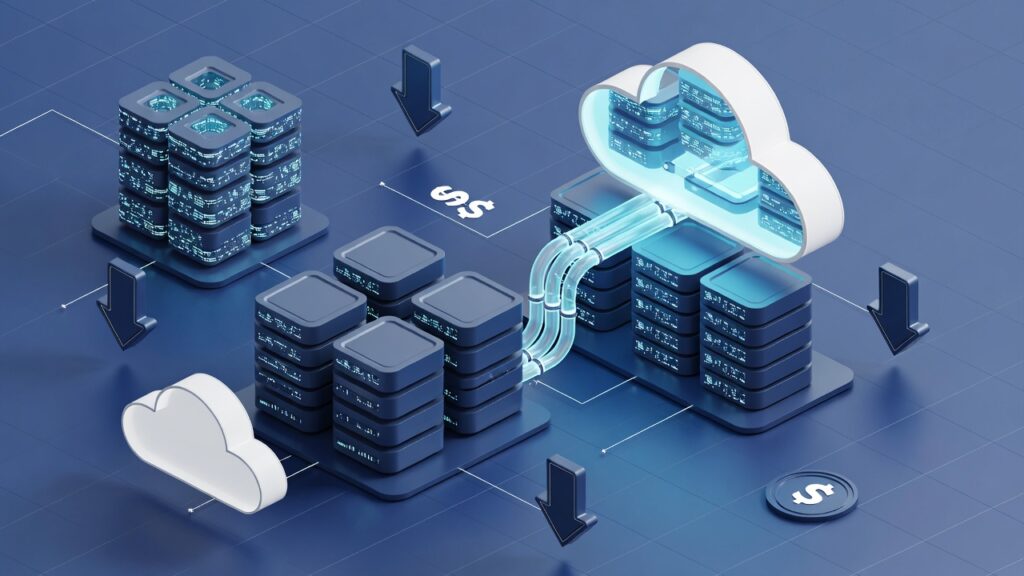
Cloud migration promises cost savings. But for most organizations, IT bills spike instead of shrinking after the move. The reason is simple: lifting applications into the cloud without changing how they work just relocates problems rather than solving them.
This happens because of “Lift and Shift” migration. Companies move applications from on-premises data centers to cloud platforms like Amazon Web Services (AWS), Microsoft Azure, or Google Cloud Platform without modifying the code or architecture. It’s fast. It gets you out of the data center. But it doesn’t deliver the cost benefits you expect.
Legacy applications are typically monolithic. They can’t use cloud-native features like distributed workloads, auto-scaling, or elastic compute. When you move these static applications to the cloud unchanged, you end up maintaining over-provisioned deployments. You pay for peak capacity around the clock instead of actual usage. The cloud’s elasticity, its ability to scale resources up and down based on demand, goes unused.
Real cost reduction requires changing how your applications function, not just where they run. Organizations need infrastructure modernization through refactoring and replatforming.
This means modifying software to leverage cloud-native capabilities and shifting from capital expense (CAPEX) models to flexible “pay-as-you-go” operational expense (OPEX) models.
Instead of spending money managing operating systems and hardware, you invest in innovation and efficient resource consumption.
The Financial Impact of Technical Debt
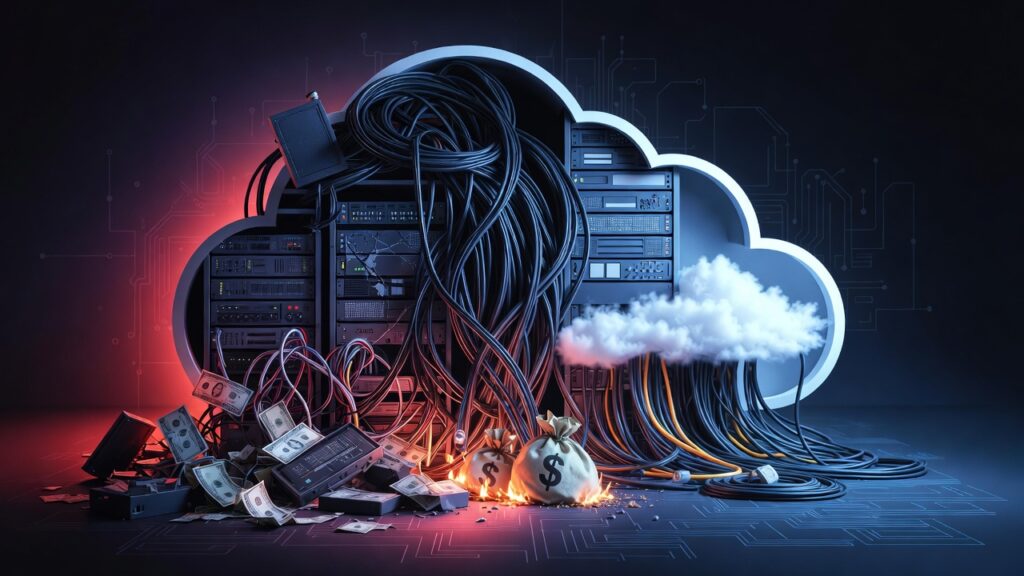
Technical debt isn’t just messy code. In cloud environments, it works like financial debt: it accumulates interest.
Organizations choose quick fixes over long-term solutions to meet deadlines. They’re borrowing against the future. Eventually, the bill arrives. In the cloud, you pay this interest in actual money, bloated infrastructure bills, constant bug fixes, slower development cycles.
The numbers are stark. Companies spend approximately 20% of their IT budgets managing technical debt consequences. That’s one out of every five dollars diverted from innovation. Research shows 71% of developers spend at least a quarter of their work week dealing with legacy code instead of building new features.
Ignoring modernization creates what’s called “codebase entropy.” Unoptimized code accumulates. The system becomes disorganized and fragile. Developers spend time fixing problems caused by old code instead of optimizing for the cloud. The result is a paralyzed engineering team and infrastructure that costs more each month while delivering less value.
The consequences can be catastrophic. Knight Capital, a global financial services firm, lost $460 million in 45 minutes in 2012 due to a deployment error rooted in poorly maintained legacy code. Technical debt isn’t an IT nuisance. It’s an operational risk that can erase millions in value overnight.
Strategic Modernization: Breaking Down the Monolith
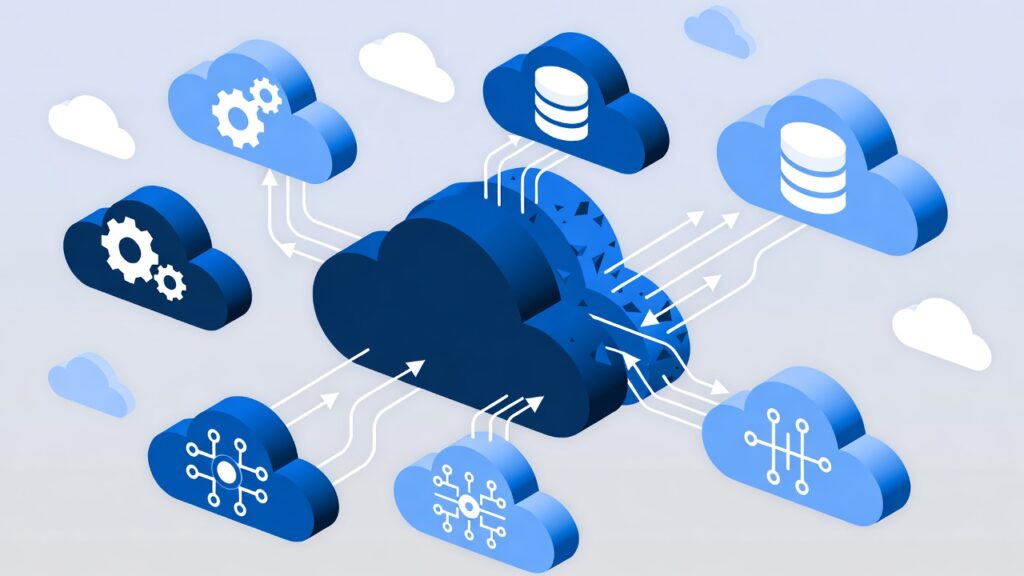
Reducing long-term cloud costs requires advancing beyond simple migration to refactoring, re-architecting applications to be cloud-native. This approach is more complex and resource-intensive than Lift and Shift. But it provides the highest long-term return on investment (ROI) by enabling applications to fully leverage cloud elasticity and flexibility.
Microservices Architecture: Scaling with Precision
The biggest economic advantage of refactoring is the shift from monolithic architectures to microservices. In a monolithic system, increased demand for a single feature requires scaling the entire application. That’s wasteful.
Microservices break applications into smaller, independent units. Teams scale only the specific components that need more resources. This precise allocation significantly lowers infrastructure costs by eliminating over-provisioning. You don’t need to scale the entire system to support one heavy process.
Netflix is the prime example. The company transitioned from a monolithic architecture to operating over 700 microservices. This enabled rapid innovation and billions in revenue while optimizing engineering velocity.
Serverless and Managed Services: The Consumption Model
Modernization involves adopting managed services and serverless computing to eliminate undifferentiated heavy lifting—racking, stacking, and patching servers that don’t add business value.
Eliminate operational overhead
Using managed services like Amazon RDS, Amazon Redshift, or Azure SQL Database removes the administrative burden of maintaining operating systems and hardware. Engineering talent gets freed up for innovation.
Stop paying for idle time
Adopting serverless or consumption-based models like AWS Lambda or Azure Functions means you pay only for computing resources you actually use. Development and test environments typically run only during business hours. Automatically stopping them when not in use can yield cost savings of 75% compared to running them around the clock.
Cost Control Through Automation and Infrastructure as Code
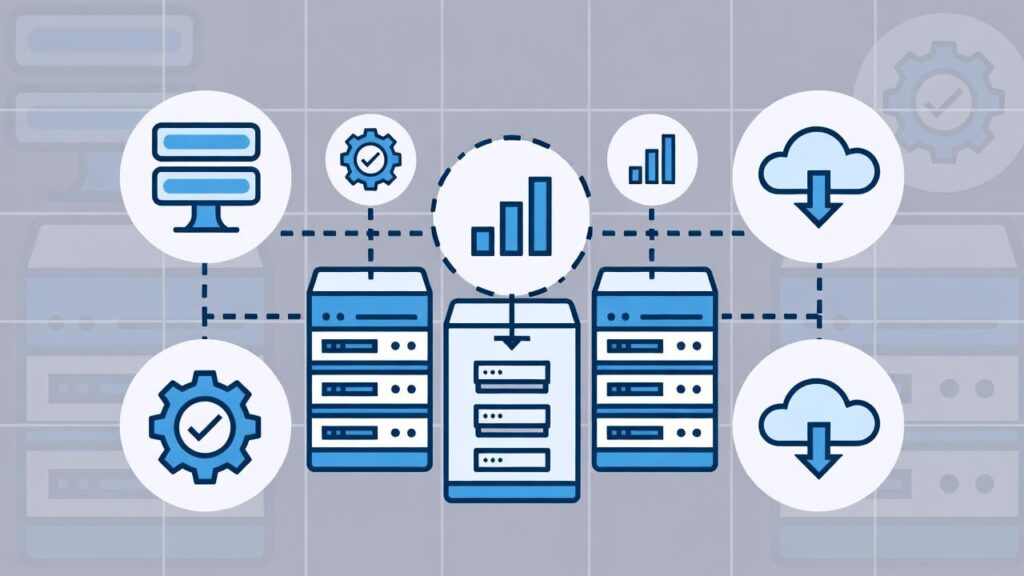
Modernization fundamentally changes how infrastructure is managed. Shifting from manual provisioning to automated, code-defined environments eliminates human errors and inefficiencies that drive up cloud bills.
Infrastructure as Code: The Blueprint for Savings
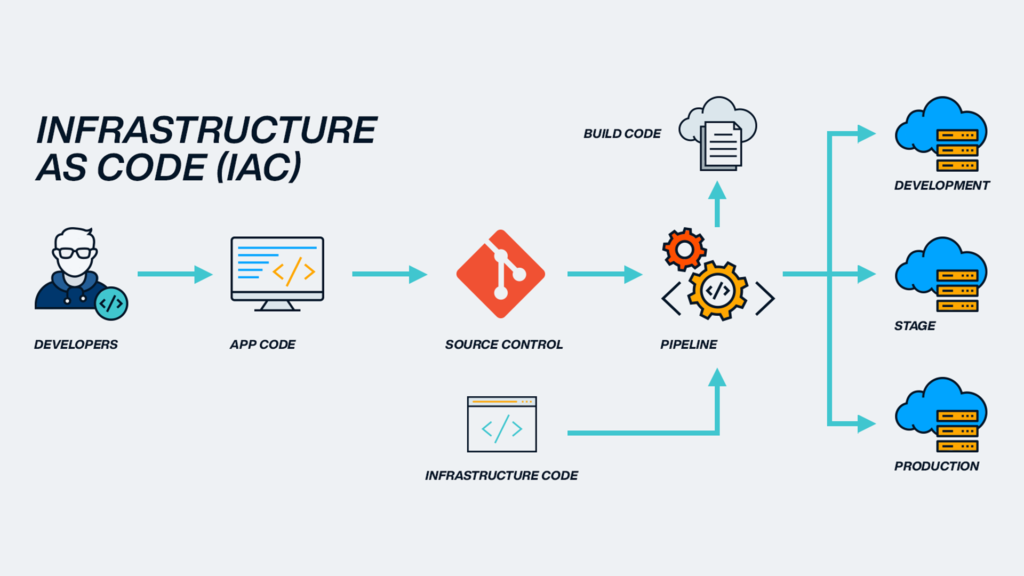
Infrastructure as Code (IaC) revolutionizes cost management by allowing teams to define and manage infrastructure through scripts rather than manual configuration. Tools like Terraform, AWS CloudFormation, and Azure Resource Manager create a blueprint for your environment that ensures consistency and prevents “drift”, the costly phenomenon where undocumented manual changes lead to misaligned configurations and rogue instances that inflate bills.
Preventing over-provisioning
IaC templates enforce strict resource parameters. Instead of a developer guessing and spinning up an oversized Amazon EC2 instance or Azure Virtual Machine “just to be safe,” the code defines the exact, cost-optimized resource required.
Ephemeral environments
One of the largest sources of cloud waste is non-production environments, left running continuously. Through IaC and automation, organizations implement ephemeral environments that automatically spin up when needed for a specific task and shut down immediately after completion. This automated de-provisioning can result in savings of up to 75% for development workloads that only need to run during business hours.
Dynamic Supply: Matching Resources to Demand
In a traditional data center, you provision hardware for your busiest day of the year. That capacity sits idle and wasted the rest of the time. Modernization enables Auto Scaling, which dynamically adjusts capacity to maintain steady performance at the lowest possible cost.
Just-in-time resourcing
Leveraging cloud elasticity, automated systems scale out resources during traffic spikes to maintain performance and scale them back during lulls to stop overspending. You pay only for the computing resources you actually consume.
Spot instances
Modern, fault-tolerant applications, specifically containerized workloads or microservices, can leverage Spot Instances (AWS) or Azure Spot Virtual Machines. These are spare cloud capacity available at discounts of up to 90% compared to On-Demand prices. Automation tools manage these instances, automatically shifting workloads if capacity is reclaimed. Businesses can run batch processing, testing, or analytics at a fraction of standard cost.
The Cultural Shift: FinOps and Governance
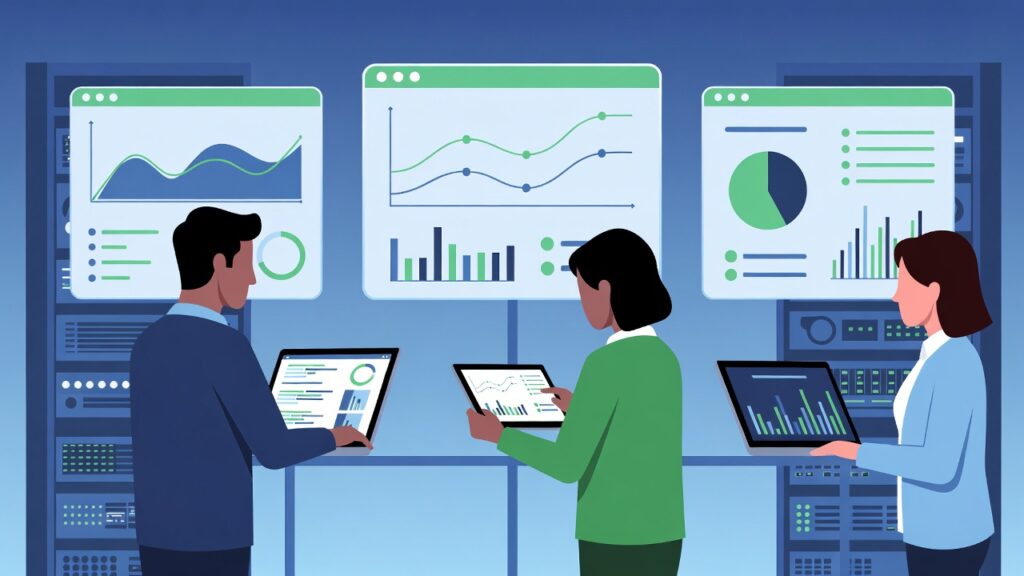
Modernization is as much a cultural transformation as a technical one. Sustaining long-term savings requires adopting FinOps, a framework that brings engineering, finance, and business teams together to collaborate on data-driven spending decisions. Cost optimization becomes a continuous part of the software development lifecycle, not a one-time event.
Shared Responsibility: From Procurement to Consumption
In the traditional on-premises world, acquiring hardware was a slow procurement process handled by finance. In the cloud, engineers can provision thousands of dollars of infrastructure in seconds with a few lines of code.
Modernization requires shifting from a static procurement model to a dynamic consumption model, where engineers actively take ownership of cloud usage. Just as developers are responsible for application performance and security, FinOps dictates they must also be responsible for cost efficiency.
Visibility: You Cannot Optimize What You Cannot Measure
A major hurdle in cloud cost control is the “black box” of billing. Modernization solves this by implementing rigorous tagging strategies, assigning metadata to resources to identify exactly which team, project, or environment is incurring costs.
This visibility fosters accountability. Organizations move from a “showback” model (showing teams their costs) to “chargeback” (billing teams directly for usage), which incentivizes efficient behavior.
Success Metrics: Unit Economics Over Total Cost
A mature FinOps culture changes how success is measured. Instead of looking solely at the total cloud bill, which naturally rises as a company grows, organizations focus on unit economics, such as cost per transaction or cost per customer.
This perspective shifts the goal from simply cutting costs to maximizing business value. If your cloud bill goes up by 20%, but your cost per transaction drops by 10% due to modernization, you’re scaling efficiently and driving higher profit margins.
Real-World Results and 2026 Trends
The theory is compelling, but the financial reality is more persuasive. Real-world case studies demonstrate that moving away from legacy infrastructure is a massive profit multiplier.
Success Story: The Fintech Efficiency Leap
A global fintech provider processing trade data for 15 million customers was burdened by legacy on-premise systems running on mainframes. Slow data processing hampered their ability to provide timely credit scores.
By modernizing to an event-driven, cloud-native architecture on AWS, the organization achieved:
- 50% reduction in data processing time
- $1.5 million in savings on maintenance costs
Properly executed data infrastructure modernization can reduce overall cloud costs by as much as 50%.
Future-Proofing With AI: The 2026 Outlook
The modernization landscape of 2026 is being reshaped by the convergence of AI-driven code rewriting and infrastructure automation.
We’re moving past manual refactoring into an age where AI agents assist in rewriting legacy code, COBOL and older Java estates, drastically reducing both cost and delivery risk of modernization.
| Trend | Impact |
| AI-Driven ROI | High-performing organizations applying AI to legacy modernization programs are seeing a 39% impact on Earnings Before Interest and Taxes (EBIT) |
| AI Code Assistant Adoption | By 2028, 90% of enterprise software engineers will use AI code assistants, shifting focus from manual coding to system design and orchestration |
| Process Automation Savings | Integration of Robotic Process Automation (RPA) and Machine Learning (ML) projected to unlock 10-30% operational savings in manufacturing and logistics by 2026 |
As these technologies mature, the “Legacy Tax” becomes a choice rather than a necessity. Companies leveraging AI-driven tools will lower cloud bills and accelerate innovation, leaving competitors weighed down by technical debt.
Getting Started With Modernization
Infrastructure modernization isn’t a box to check. It’s a fundamental shift in how technology delivers value to the business. By exchanging high operational expenses and compounding interest of technical debt for a lean, scalable, cloud-native environment, organizations escape the Lift and Shift trap.
But achieving this isn’t a one-time event. Cost optimization is a continual process of refinement and improvement spanning the entire lifecycle of a workload.
Start Small, Scale Fast
Don’t wait for a budget crisis. Successful organizations adopt a “Crawl, Walk, Run” approach to modernization.
Start small by identifying high-cost, low-efficiency workloads ripe for refactoring. Prioritize areas where you can leverage cloud elasticity, using auto-scaling to match supply with demand, to generate immediate wins.
The goal of modernization is transforming IT from a static cost center into a dynamic driver of profit. By continuously monitoring usage, automating resource management, and fostering a culture of financial accountability, you ensure every dollar spent on the cloud contributes to business innovation and growth.